is tiger eyes sumac poisonous
No reported toxicity to Birds. Plant in zones 4 to 8.
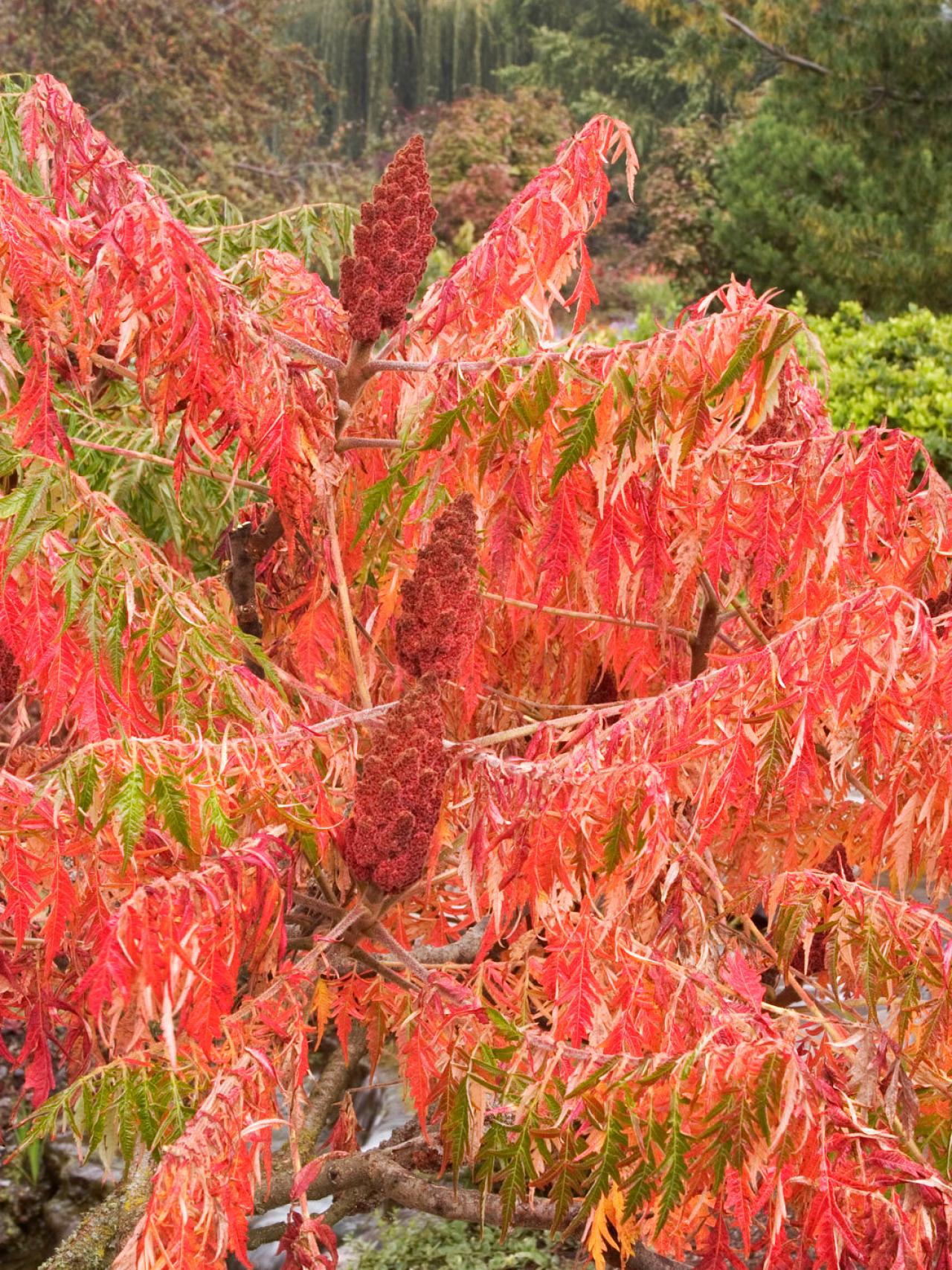
Sumac Trees Are Unsung Garden Trees Hgtv
The Sweet Sumac grows from seven to 30 feet tall and is hardy in zones 7 to 11.
. It is considered to be a superior landscape plant to Laciniata as well as to the species Rhus. Several Great Choices The most popular sumacs for landscape use are winged staghorn and smooth sumac either the native wild species or specially-bred cultivated varieties such as the golden leaf Tiger Eye sumac. Flowers are yellowish green and followed on female plants by hairy dark red fruit.
No reported toxicity to. Is Tiger Eyes Sumac Poisonous - It is considered to be a superior landscape plant to laciniata as well as to the species rhus. Avoid wetting the shrubs leaves especially in evening.
I ripped out a sumac 5 years ago and Im STILL digging out suckers. It has stunning bright gold summer. While the Sweet Sumac is native to southern California it can also be found in Arizona and Baja.
New growth emerges chartreuse. Tiger Eyes shrubs tolerate drought only after they are established in their location. Poison sumac is a shrub or small tree differentiated from the common sumac staghorn sumac Rhus typhina growing along US.
Its found very appealing for its fuzzy red fruit clusters but sometimes becomes. It is a very showy shrub with striking orange and scarlet fall color. Staghorn sumac tiger eyes botanical name.
Water the Tiger Eyes shrubs to a depth of about 6 inches during their first two or three growing seasons whenever the top 3 inches of soil around the base of each plant dries. Tiger Eyes grow to about 6 feet tall and about that wide in an ideal situation. Fall brings leaves of yellow scarlet and orange.
It grows into an upright rounded form about 6 feet tall and as wide. It will grow 6-8 tall with a similar spread. In addition to the chartreuse to gold color it has in summer Tiger Eyes has a bright reddish orange color in fall.
You will not find poison sumac growing up on high dry hillsides where non-poisonous ornamental kinds typically grow. Department of Agriculture plant hardiness zones 4. The Tiger Eyes staghorn sumac R.
Typhina Laciniata that was discovered in July of 1985. Does it produce those fluffy flower heads that the regular cutleaf sumac does. Rhus Tiger Eyes has no toxic effects reported.
Tiger Eyes showed up as a mutation sport off of a row of Dissecta the old green cut-leafed selection of staghorn sumac that was originally selected by a Massachusetts nurseryman in the late. The plants like sun to part-sun and tolerate dry soil well. Feature the Tiger Eyes Sumac as a specimen plant or as part of a landscape or used to create a vibrant hedge.
Has anyone grown this for a few years that can tell me if it spreads as aggressively as the regular sumac. Tiger Eyes Staghorn Sumac shrubs have chartreuse leaflets changing to yellow contrasting with pink stems. Rhus typhina Baitiger grows best in Full Sun.
Name Rhus typhina Family Anacardiaceae Type shrub. This low-growing variety has plump pink berries and is drought-tolerant. The tree style is.
Staghorn sumac also called vinegar sumac is a short tree that grows in a roundish shape. Height 16 feet 5 m Exposure full sun Soil ordinary. The Rhus typhina Tiger Eyes is a large shrub with more of a tree-like appearance and will reach 10 to 12 feet tall.
TIGER EYES is a dwarf golden-leaved staghorn sumac cultivar that typically matures to only 6 tall and as wide. Tiger Eyes sumac was first selected in July of 1985 in a Minnesota nursery by Steven Jorgensen a then new employee of Bailey Nursery Company. The canopy can spread 12 to 15 feet so feature this plant in an area that can accommodate the size.
Typhina Bailtiger Tiger Eyes cultivar provides year-round color in US. This plant spreads by suckers and can be invasive. Smooth Sumac has none of the hair on the leaves.
Can be used on slopes to control erosion. The non-poisonous variant the Tiger Eye Sumac resembles the lacy Japanese maple tree. Foliage deciduous Flowering June to August.
This deciduous shrub is treasured for its. Rhus typhina Tiger Eyes Tiger Eyes Sumac Easy to grow Large foliage fronds emerge early spring Foliage starts chartreuse and matures to bright non-burning yellow Fall foliage is a brilliant scarlet Non-poisonous plant Pinkish colored stems. Tiger Eyes is a whole plant mutation of R.
It was discovered in a cultivated nursery setting in July of 1985 as a whole plant mutation of R. One cultivar of Staghorn Sumac that has become very popular in recent years is Rhus typhina Baitiger PP16185 - First Editions Tiger Eyes Cutleaf Sumac. Its horizontal form makes it a good addition to Asian-influenced garden areas.
Is Tiger Eyes Sumac Poisonous There is no reason to pass up the great fall color of nonpoisonous sumac simply because they have sumac in their common name. Shining Sumac has wings on the rachis and is so shiny it looks like the leaves have been waxed. Highways and roads in.
List of key staghorn tree facts. The Tiger Eyes Sumac is an excellent and superior landscape shrub because of its unique yellow leaves and dwarf size. The species is native to North America.

Tiger Eyes Cutleaf Staghorn Sumac Johnson S Gardens Cedarburg Wi

Plant Profile Tiger Eyes Sumac

Tiger Eyes Sumac A Favourite For 4 Season Interest Fall Colour Changes Daily Gradu Front House Landscaping Garden Front Of House Landscaping Water Feature
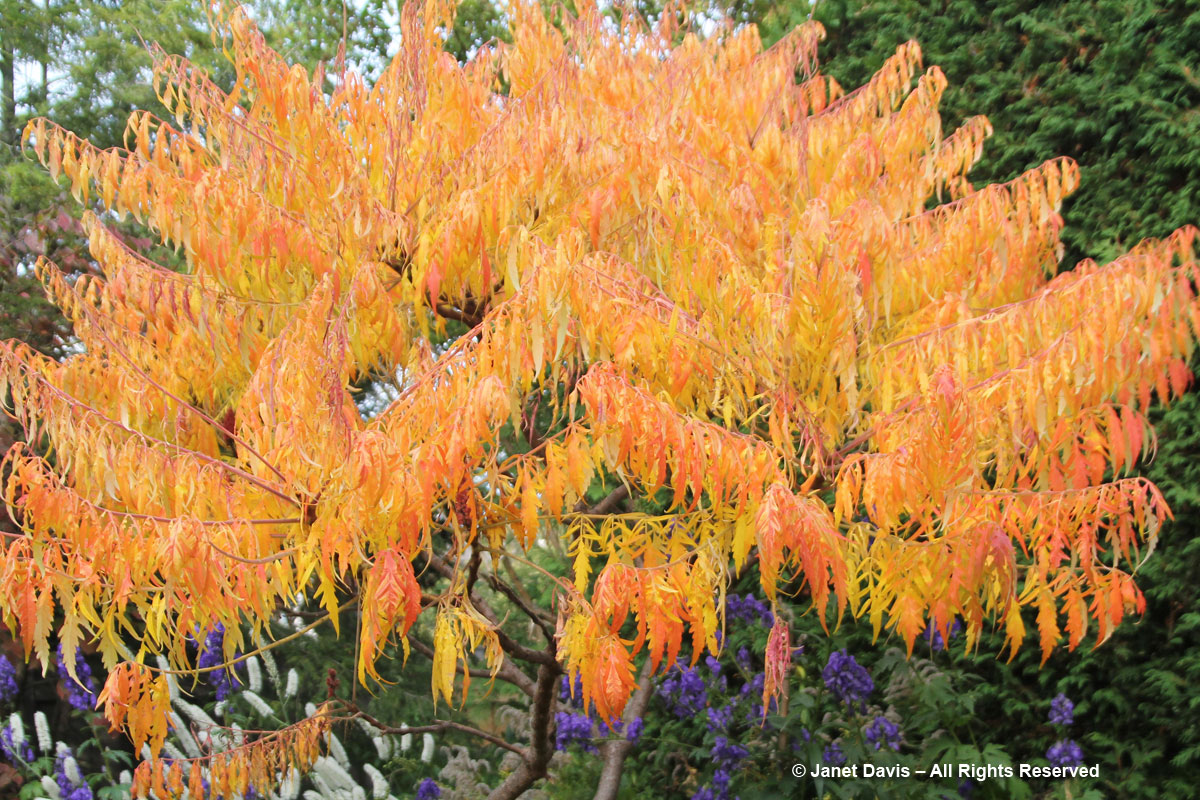
October 2017 Janet Davis Explores Colour

Sumac Trees Eschmidt Pa Bonsai
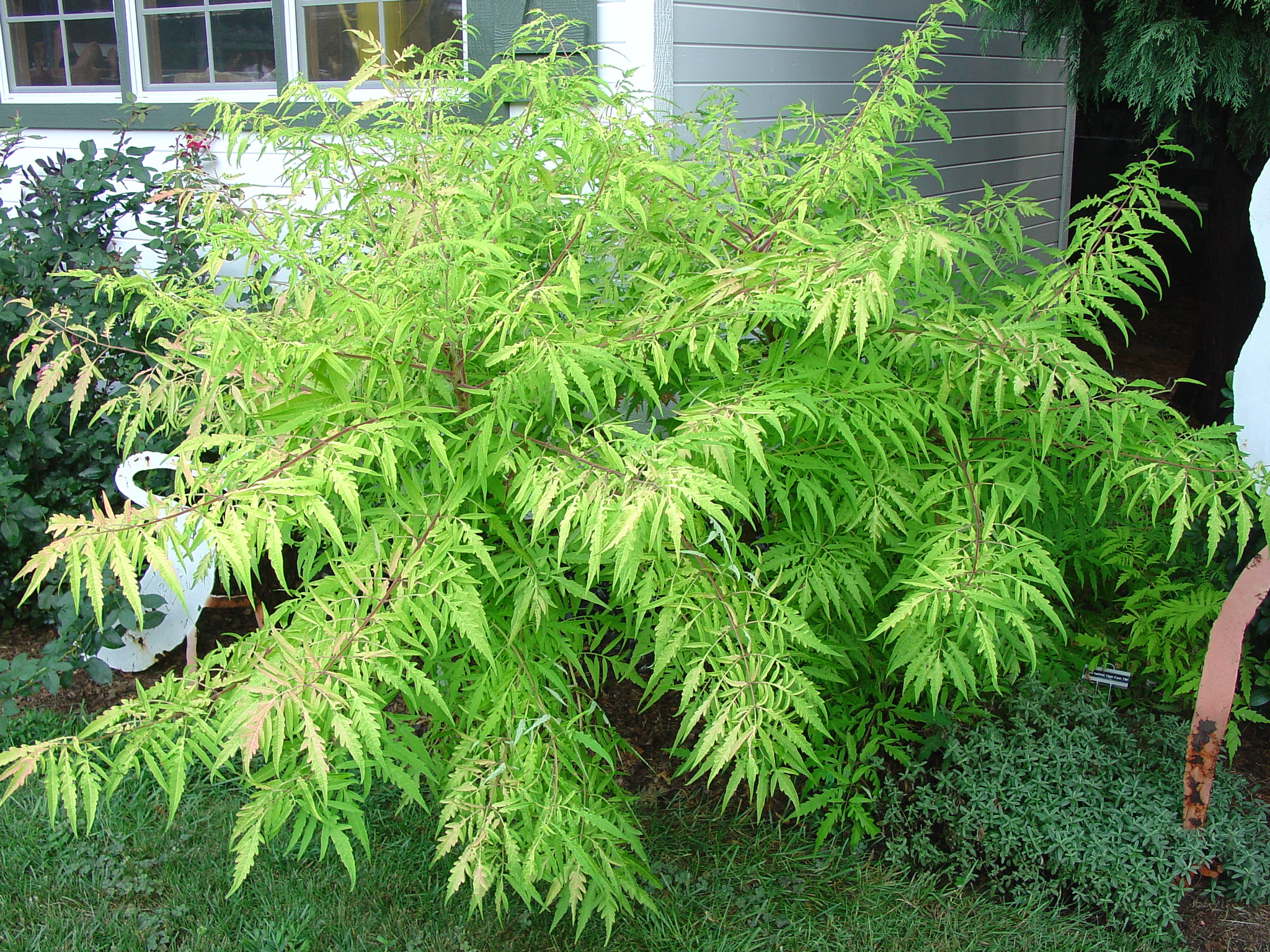
Tiger Eyes Sumac Far Less Aggressive What Grows There Hugh Conlon Horticulturalist Professor Lecturer And Gardener

Tiger Eyes Sumac Watson S Recommends Youtube

A Sumac For All Seasons Knecht S Nurseries Landscaping
Tiger Eyes Staghorn Sumac Rhus Typhina Wisconsin Horticulture

Tiger Eye Sumac Youtube

Sumac And Its Uses Berries Forum At Permies
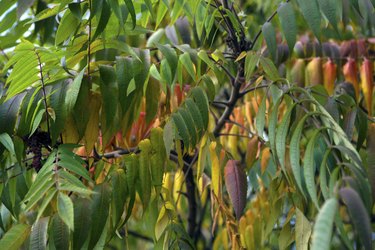
Care For Tiger Eye Sumac Shrubs Ehow
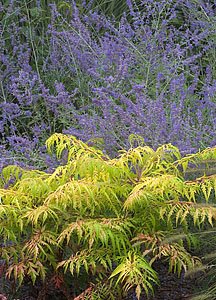
Country Gardener Gold Medal Plant Tiger Eyes Sumac

A Sumac For All Seasons Knecht S Nurseries Landscaping

Sumac Better Homes Gardens

Pin On Trees Shrubs

Poison Sumac How To Identify It And What To Do If You Ve Been Exposed Dave S Garden
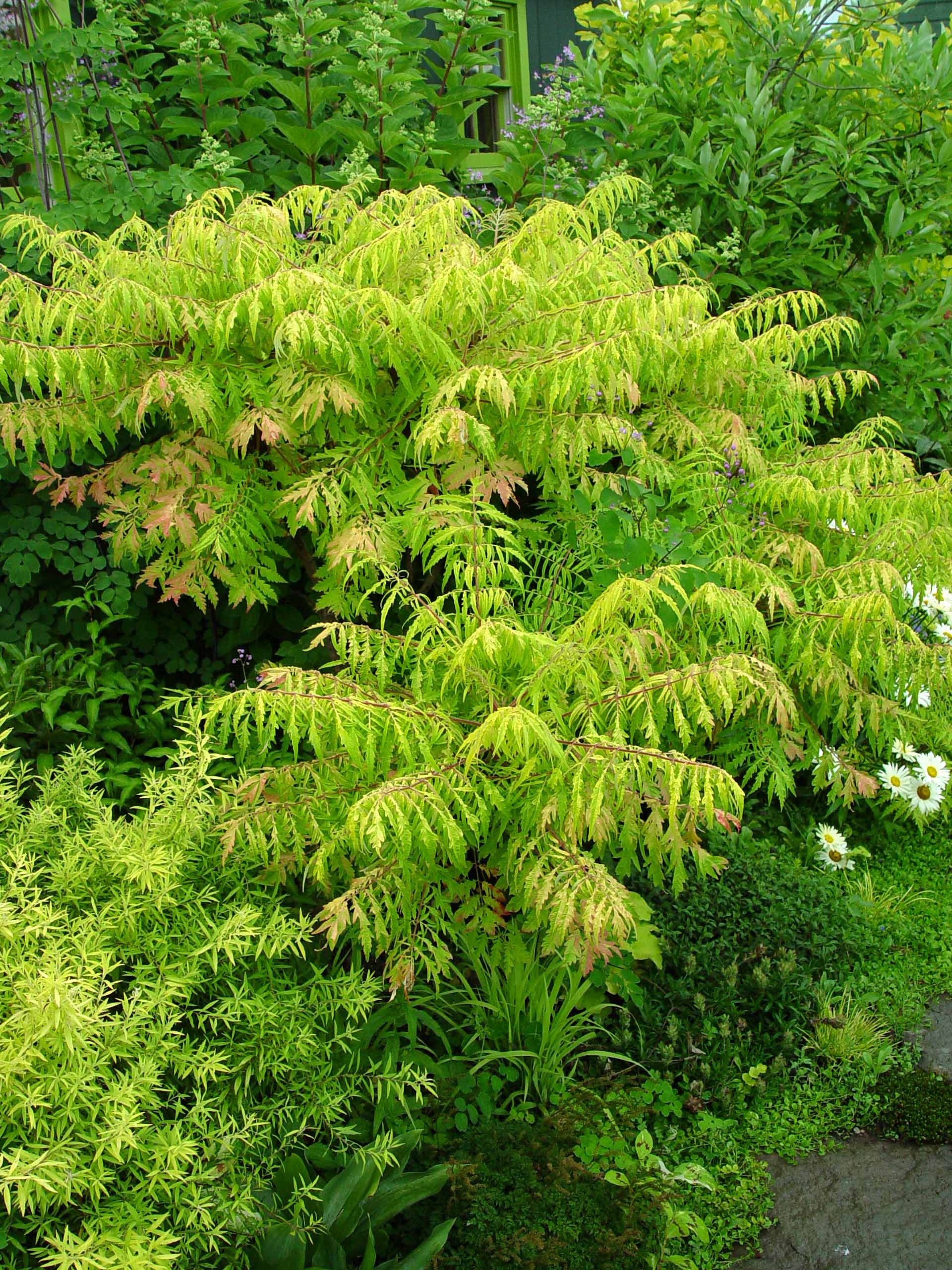
Sumac Tiger Eyes Garden Housecalls

Sumac Better Homes Gardens